
Land drain sizes: 60mm, 80mm or 100mm?
10 September 2026 · The Shape Shop
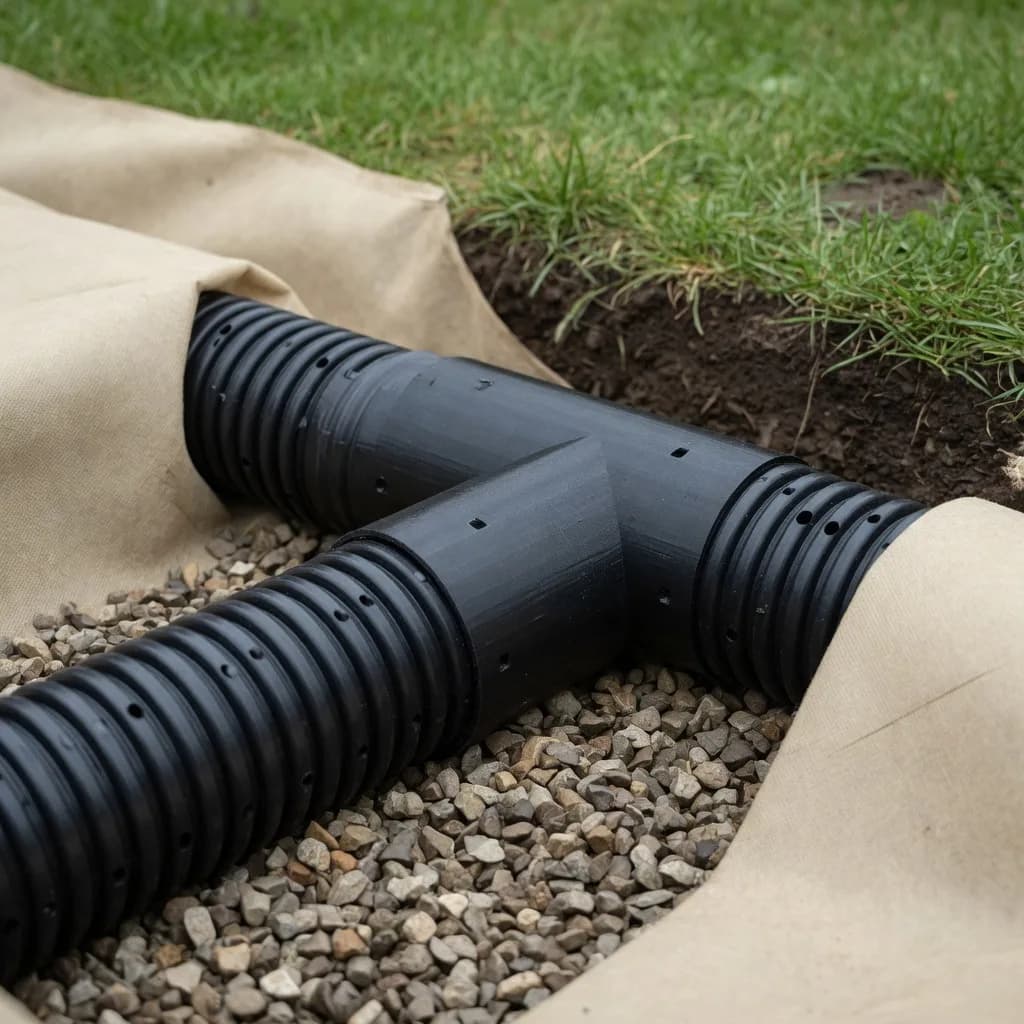
Pick 60mm, 80mm or 100mm land drain from the area you need to dry and how wet it already is — not the fattest coil on the pallet. Check fit: pipe sizes differ by brand. OD fittings coming soon.
Pick the land drain diameter from two things: the area you need to dry, and how wet that ground already is. A 60mm coil is typical for a small lawn. Step up to 80mm for a larger garden or worse waterlogging, and 100mm when you are collecting from a bigger area or several laterals. 50mm is a leftover and repair size we also stock fittings for. Buying the fattest coil on the pallet does not make a soggy lawn drain faster if the layout is wrong — a herringbone of smaller laterals often outperforms one fat pipe.
The Shape Shop sells fittings made in the UK, not pipe. Match the fitting to the coil you actually bought. Internal pipe sizes differ by brand — measure your pipe or check the product size notes and check fit before ordering. Shape Shop will release outside-diameter (OD) fittings soon for wider compatibility — no launch date or SKUs yet.
Typical UK sizes (practice, not a law)


UK merchants commonly sell corrugated, perforated land drain in 60mm, 80mm and 100mm. The notes below are typical practice for garden work, not a British Standard you have to satisfy in a back garden.
60mm is the usual starting point for smaller standard lawns, a narrow bed, or a short run along a patio — when the lawn is damp rather than a winter pond.
80mm is the size merchants typically point to for larger gardens, or for a smaller garden with standing water or heavy clay that stays wet for days.
100mm is the bigger-area size: a large lawn, a collector that several laterals feed into, or a long run that has to carry a lot of water to an outfall.
50mm is not the usual first buy for a new lawn drain. It turns up as leftover coil, a tight repair, or a short spur. We make couplings, Y junctions and end caps for it because people already have it.
If you are stuck between two sizes, look at wetness before diameter. A small, badly waterlogged lawn on clay is a better candidate for 80mm — or 60mm laterals into an 80mm main — than a large but only slightly damp lawn is for 100mm.
A herringbone of smaller pipe often beats one fat run
Extra diameter only helps if the pipe is actually carrying that much water. In a garden trench the limit is more often silt, a dip with no fall, or a single run that never reaches the wet patch.
One 100mm pipe down the middle of a lawn collects water only from the soil around that trench. A herringbone — laterals feeding a main — intercepts a wider area. Keep laterals the same size as each other if you can. Use a larger main only where several branches meet — 60mm or 80mm laterals into an 80mm or 100mm collector is a common pattern.
For layout and fall: how to install a garden land drain. For how much coil a lawn needs: how much land drain for a lawn.
Match fittings to the pipe you bought
If the coil says 80mm, use 80mm couplings, Y junctions and end caps. Buy the coil from a builders’ merchant, then match our fittings to it — and check fit, because brands differ.
- Join lengths with a straight land drain coupling in 50, 60, 80 or 100mm
- Bring a side run in with a Y junction in the same sizes
- Blank a buried upstream end with solid end caps (pack of two) or grid end caps — see grid vs solid
How the join itself goes together: how to join land drain pipe.
End-cap labels: match the pipe, not the plug number
Our end caps are labelled with a plug diameter and the pipe they fit. Order by the pipe size. The plug goes inside the corrugated pipe, so it is smaller than the pipe:
- 51.1mm plug fits 60mm pipe
- 68mm plug fits 80mm pipe
- 84.7mm plug fits 100mm pipe
- 42.7mm plug fits 50mm pipe (solid caps)
If you pick “68mm” thinking you need 68mm pipe, you have ordered the cap for 80mm coil. The listing language is “68mm for 80mm pipe” — the second number must match the coil. The same plug/pipe pairing is used on anti-return and grid caps.
Cap every buried dead end. Leave the downstream end open to the outfall you actually have. If that outlet is exposed and water must leave the pipe, that is an anti-return job — not a buried blank, and not a check valve.
Leftover coil: reducers
Do not force mismatched diameters into a same-size coupling. We stock a land drain reducer adapter in three steps: 80–60mm, 100–60mm and 100–80mm.
Use a reducer on a straight join between two sizes. Do not reduce down in the direction of flow on a collector that is already working hard. Stepping leftover 60mm into an 80mm or 100mm main is the usual repair.
110mm is a different family
Smooth 110mm underground pipe used for surface-water drains is not corrugated land drain. To join land drain into that system, use a 110mm to land drain adapter — surface water only, never foul. Role guide: 110mm to land drain adapters. That is not a fourth land-drain diameter. If your pipe is corrugated and flexible, you are in 50–100mm land drain.
A practical way to choose
- Walk the wet area after rain. Note how large it is and whether water sits or only leaves the lawn soft.
- For a small lawn that is only damp, 60mm is the usual starting point.
- For a larger garden, or standing water on a small plot, plan 80mm — or 60mm laterals into an 80mm main.
- For a bigger area or several wet zones feeding one outfall, 100mm as the collector is typical.
- Prefer one diameter if you can. Use a reducer only for leftover coil or a planned step from laterals into a main.
- Cap the dead ends. Match the cap to the pipe size, not the plug millimetre on the label.
- Check fit before ordering — brands differ; OD fittings coming soon.
If you already have a coil, fit that size. A complete 60mm herringbone you will actually finish beats a 100mm main you only have enough fittings to start.
Frequently asked questions
- Is 100mm land drain always better than 60mm?
- No. Pick diameter from the area you need to dry and how wet the ground already is. A herringbone of smaller laterals often drains a lawn better than one fat pipe down the middle.
- What size land drain for a small lawn?
- 60mm is the usual starting point for a smaller standard lawn that is damp rather than a winter pond. If the same small plot sits under water after rain, merchants more often point to 80mm, or 60mm laterals feeding an 80mm main.
- Why do Shape Shop end caps say 51.1mm, 68mm or 84.7mm?
- Those numbers are the plug, not the pipe. Order by the pipe size on the coil. A 51.1mm plug fits 60mm pipe, 68mm fits 80mm, and 84.7mm fits 100mm. There is also a 42.7mm plug for 50mm pipe on solid caps.
- Can I join 60mm pipe to 80mm or 100mm?
- Yes — with a reducer, not a same-size coupling. Options are 80–60mm, 100–60mm and 100–80mm. Do not reduce down in the direction of flow on a hard-working collector.
- Do you sell land drain pipe?
- No. The Shape Shop sells fittings — couplings, Y junctions, reducers, end caps and related parts. Buy the coil from a builders’ merchant and match the fitting. Pipe sizes differ by brand — check fit before ordering.
- Is 50mm land drain still used?
- It is not the usual first buy for a new lawn drain. It turns up as leftover coil, a tight repair, or a short spur. We stock 50mm couplings, Y junctions and end caps because people already have that pipe.
Fittings for this job
Pipe, gravel and membrane come from a merchant. These are the Shape Shop parts that match this article.
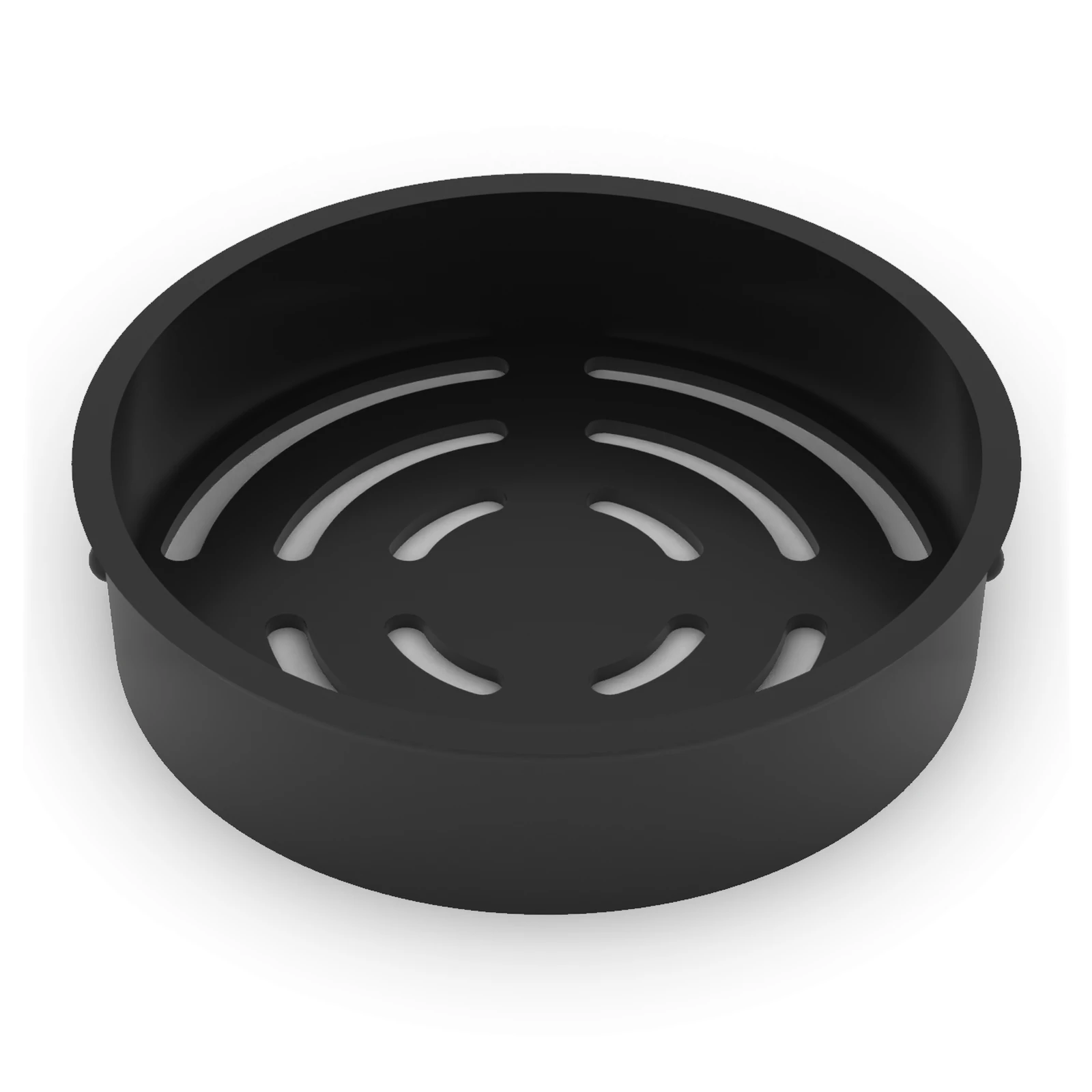
Grid Plug 50, 60, 80 and 100mm for Land Drain Pipe, UK Made
- 50 · 60 · 80 · 100mm
- Inside-pipe fit
From £2.80
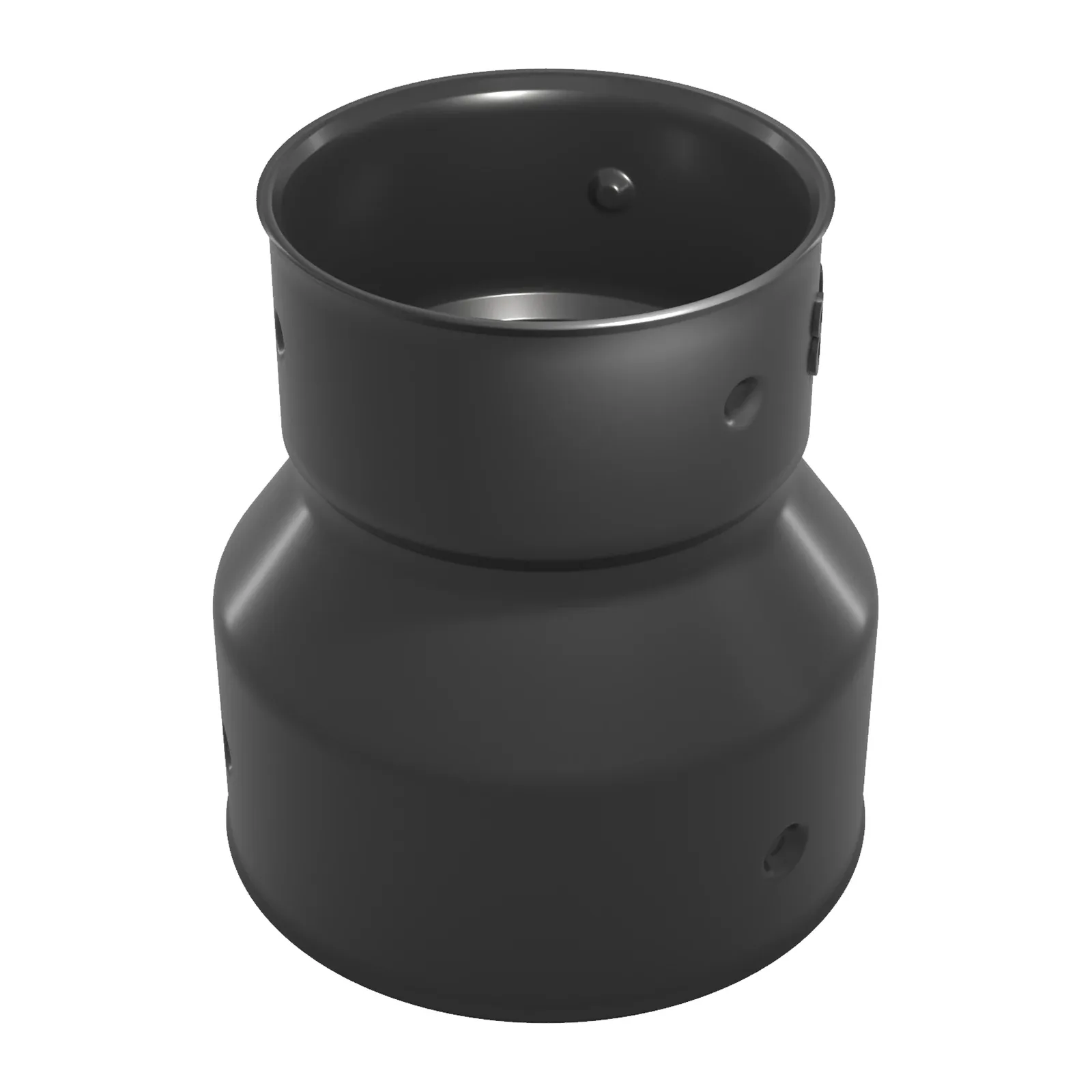
Reducer 80 to 60, 100 to 60, 100 to 80mm for Land Drain Pipe, UK Made
- 60 · 80 · 100mm
From £9.95
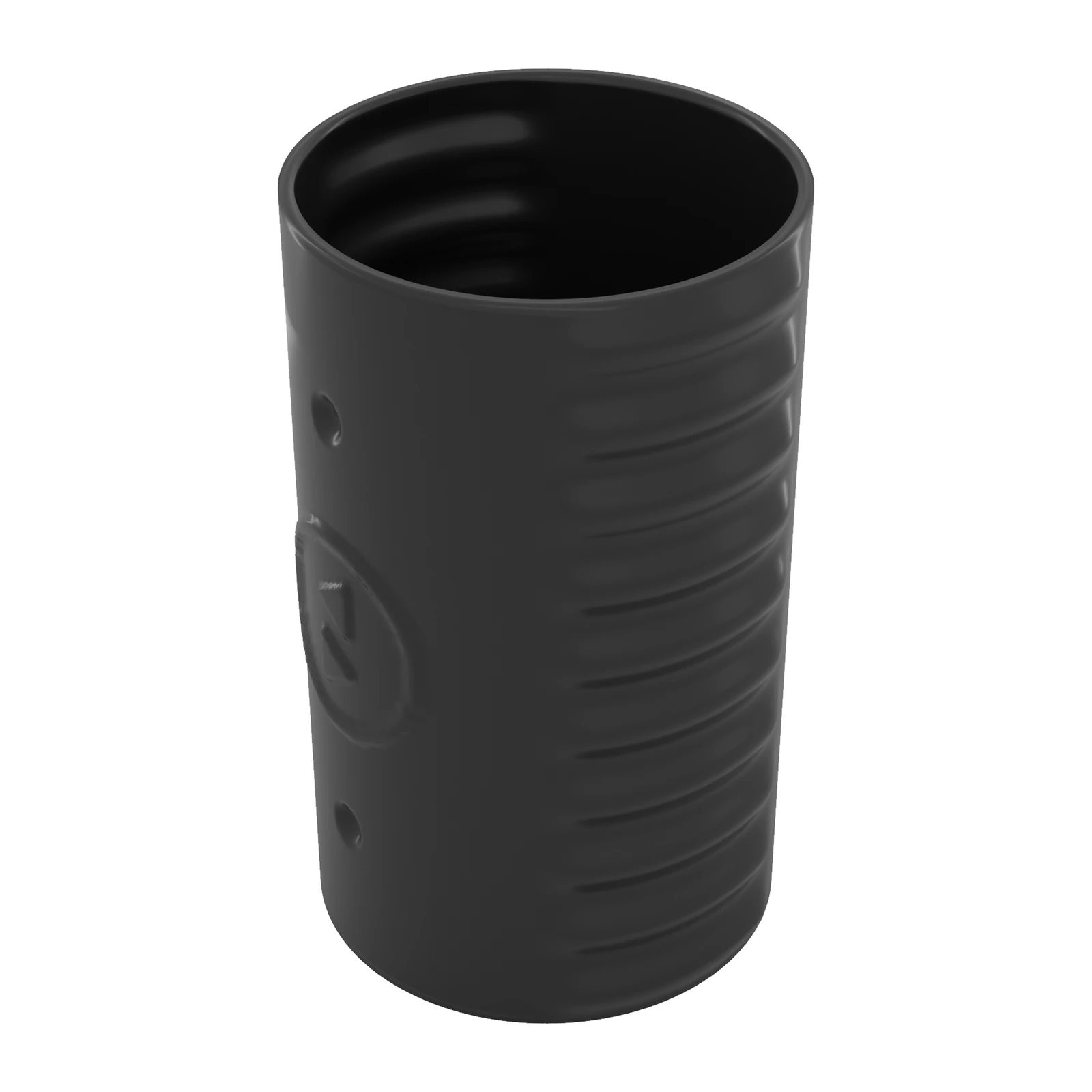
Coupling 60, 80 and 100mm for Land Drain Pipe, UK Made
- 50 · 60 · 80 · 100mm
From £5.95
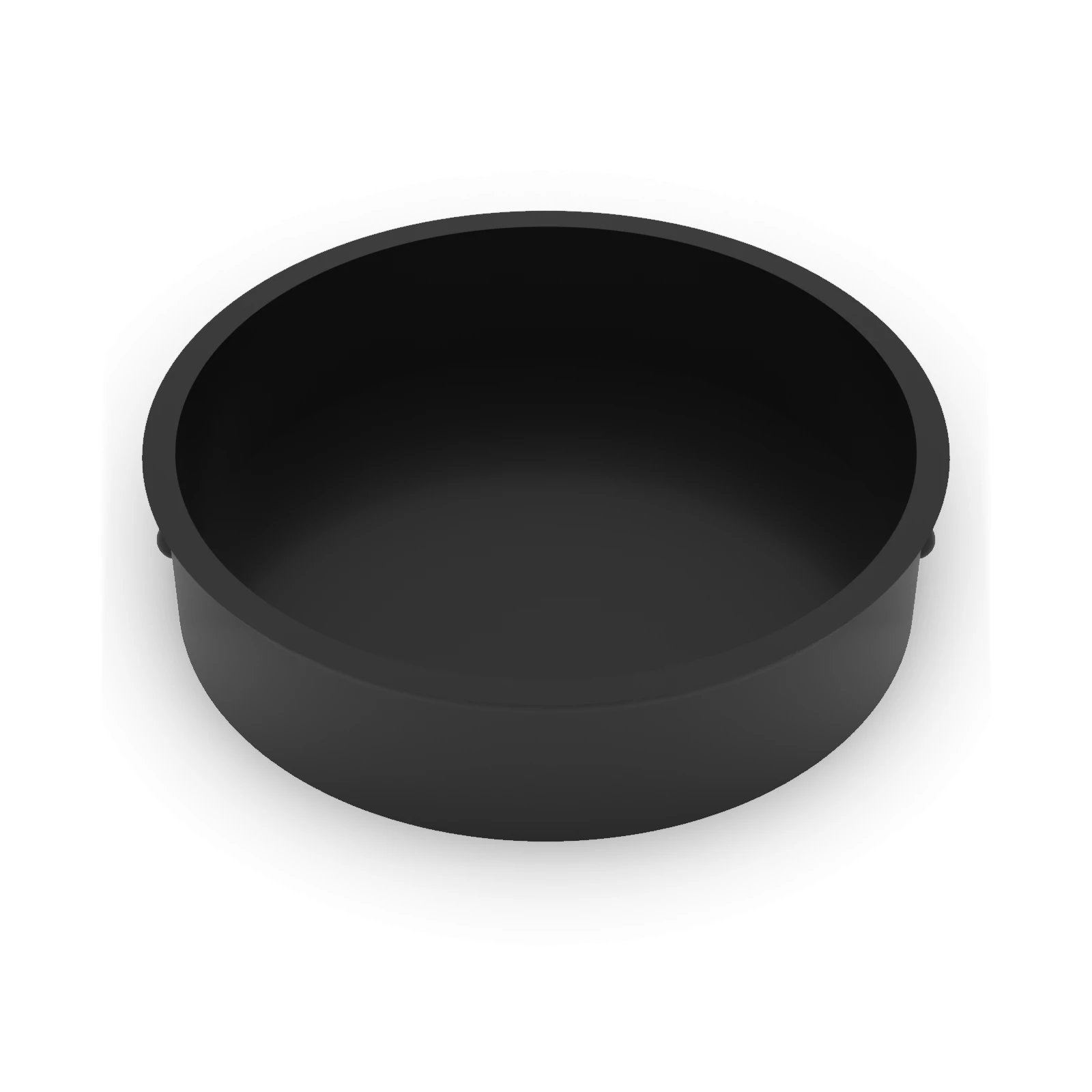
Solid Stopper Plug 50, 60, 80 and 100mm for Land Drain Pipe, UK Made
- 50 · 60 · 80 · 100mm
- Inside-pipe fit
From £2.80