
How to install a garden land drain (UK DIY)
10 September 2026 · The Shape Shop
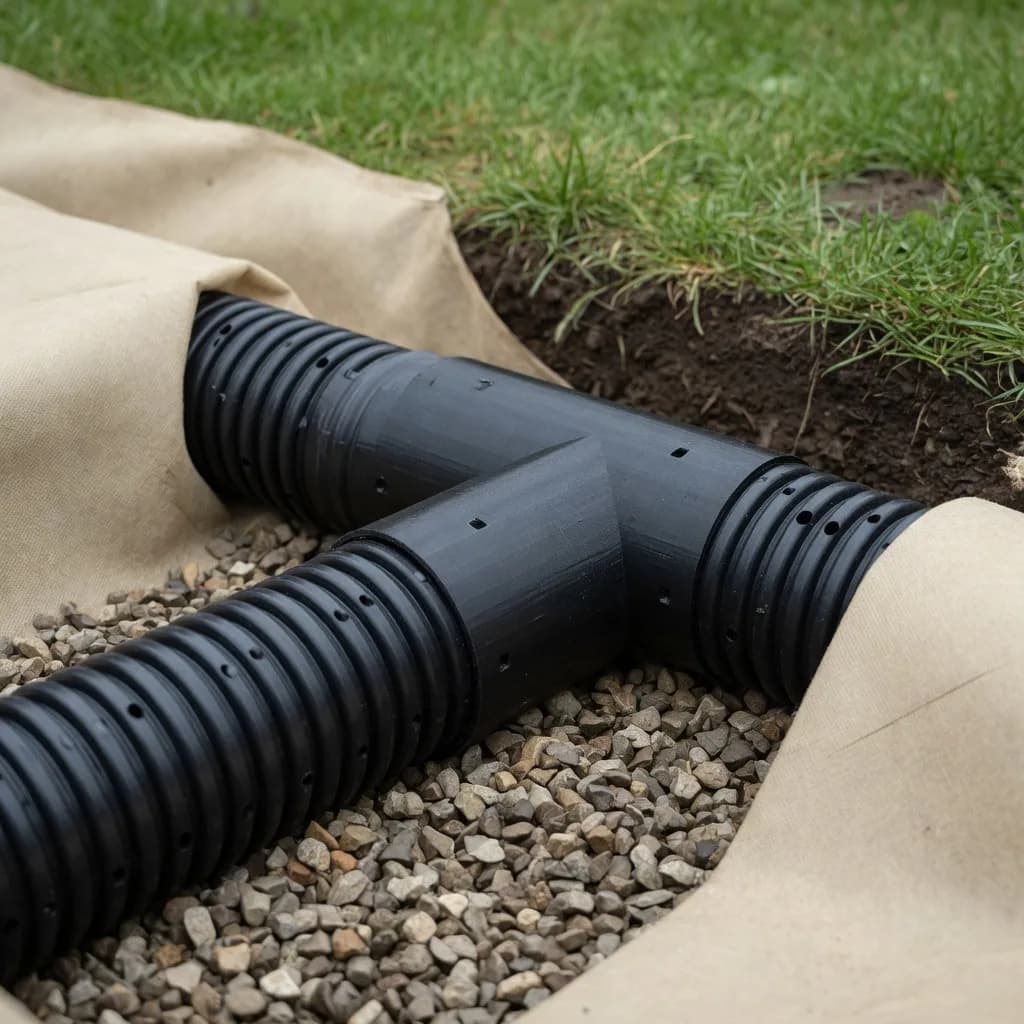
Dig a gravel trench, lay perforated land drain to a fall, and take the water to a soakaway, ditch or 110mm surface-water outlet. This UK DIY guide covers layout, fittings and the mistakes that leave a lawn wet.
A garden land drain is a perforated pipe in a gravel trench. It collects groundwater and carries it downhill to a soakaway, a ditch, or 110mm surface-water pipe. Search listings often say French drain. In UK gardens the same job is a land drain.
Work outlet first. Dig a trench about 300mm wide, to a fall of 1:100. Line it with geotextile. Bed the pipe on about 100mm of 20mm clean angular stone, perforations down. Join laterals to the main at about 45° with Y junctions. Wrap, backfill, and keep about 450mm of cover on a lawn so aeration does not hit the pipe. Fittings are not watertight and must not take foul water.
Key facts

- Trench about 300mm wide
- On a lawn, keep about 450mm of cover so aeration does not hit the pipe
- About 100mm of gravel under the pipe
- Use 20mm clean angular stone — not pea gravel
- Wrap the run in geotextile
- DIY fall often 1:100 to 1:150; use 1:100 as the DIY default (10mm drop per metre)
- Perforations face down
- Decide the outlet first: soakaway, ditch, or 110mm surface-water — never foul
- Herringbone laterals join the main at about 45° with Y junctions
When you need a land drain
A land drain is for groundwater in soil. It is not a gutter. It is not a foul drain. Use it when a patch of garden stays wet after rain has passed.
Typical signs are a lawn that never dries, a dip that ponds, or soil that squelches on the low side of a slope. Water sitting against a patio edge can also soak a lawn.
Do not use land drain for a blocked gully or a foul pipe. The pipe is perforated on purpose. The fittings that join it are not watertight. They hold corrugated pipe in line. They do not seal sewage.
You also need an outlet. A soakaway, an open ditch, or a 110mm surface-water run can take the water. A foul drain cannot.
If the wet area is small, a single main may be enough. If several patches stay wet, plan a herringbone: one main to the outlet, with laterals feeding it. Buy pipe at a merchant, then match fittings to that diameter. Garden land drain is commonly 60mm, 80mm or 100mm. Pipe sizes differ by brand — check fit before ordering. OD fittings are coming soon for wider compatibility (no date or SKUs yet).
What you’ll need
Buy bulk materials from a builders’ merchant. The Shape Shop sells fittings only.
From a merchant:
- Perforated land drain pipe in a coil, in the diameter you have chosen
- 20mm clean angular stone (not pea gravel)
- Geotextile membrane
- Pegs, string, a tape, and a spirit level or laser so you can hold a 1:100 fall
- A spade or trencher, and a way to move spoil
From The Shape Shop:
- Land drain couplings to join coil lengths end to end
- Y junctions so herringbone laterals meet the main at about 45°
- Solid end caps to close buried uphill ends
- A silt trap in line if you want grit to drop out before the outlet
- 110mm adapters if the run meets 110mm surface-water pipe — see 110mm to land drain adapters
Match every fitting to the pipe. We do not sell pipe coils, gravel, or geotextile.
Step by step
1. Find the wet area
Walk the garden after rain. Mark every patch that stays wet. Note the low point. Water will not climb. The land drain must start in the wet ground and fall away from it. Check for buried services before you mark a trench.
2. Decide the outlet
Do this before you dig the wet end. The outlet sets the bottom of the fall.
Three outlets for a garden land drain:
- A soakaway, where the ground can take the water
- A ditch that already carries surface water
- 110mm surface-water pipe — not foul
Set that invert as the lowest point. At 1:100, every metre uphill needs about 10mm of extra height. If the wet patch is barely above the outlet, you may not have enough fall. Find that out now.
Never connect into a foul drain. Land drain fittings are not watertight.
If you use a silt trap, plan it on the main near the outlet. If the outlet end is exposed and water must leave the pipe into a ditch, stream or another drain, finish that end with an anti-return end cap — for exposed outlets only, not buried dead ends, and not a check valve. Buried high ends get solid or grid caps.
3. Mark the layout
Peg the outlet. Peg the top of the main in the wet area. String the line.
If you need laterals, mark a herringbone. Laterals point downstream and join the main at about 45°. That is what a Y junction is for. A square T fights the flow — more on junctions: T vs X vs 4-way. Corners on the same run: land drain elbows.
Leave room for a trench about 300mm wide. On grass, plan about 450mm of cover above the pipe so aeration misses it.
4. Dig to a fall
Start at the outlet and dig uphill so the trench cannot end up deeper than the outlet.
Keep the trench about 300mm wide. Hold the fall at about 1:100. Check as you go. A sag becomes a silt pocket.
On a lawn, allow about 450mm of soil above the pipe, plus the pipe, plus about 100mm of stone under it.
5. Line the trench with membrane
Roll geotextile along the trench. Seat it on the bottom and up both sides, with spare to fold over later. The membrane stops soil mixing with the 20mm stone. Overlap lengths. Do not leave a gap at a Y or a coupling.
6. Add the gravel bed
Place about 100mm of 20mm clean angular stone on the membrane. Rake it to the same fall as the trench. Angular stone locks; pea gravel rolls and shifts. Couplings and Y junctions sit on the same stone as the pipe.
7. Lay the pipe and fittings
Place the perforated land drain on the bed. Perforations down. Groundwater comes up through the stone. Holes on top drop silt into the bore.
Work from the outlet uphill. Push each coil end fully into the fitting. Join lengths with couplings. Bring each lateral in with a Y junction so the branch points downstream at about 45°.
Cap every uphill end with an end cap. If you planned a silt trap, set it in line on the main. Detail on joins: how to join land drain pipe.
Do not treat these joints as sealed. Check the invert with a level before you cover anything.
8. Wrap the geotextile
Add 20mm clean angular stone over and beside the pipe until it is surrounded. Fold the spare membrane over the top so the stone is fully wrapped. Leave no open seam. Do not backfill soil onto bare stone.
9. Backfill
Return the soil in layers and firm it. Finish to the surrounding level. On a lawn, replace turf or reseed. Hold that 450mm of cover. Check the outlet is still the low point: soakaway, ditch or 110mm surface-water.
Common mistakes
- Digging the wet end first and discovering the outlet is higher — always outlet first
- Laying perforations up — they face down
- Using pea gravel instead of 20mm clean angular stone
- Skipping geotextile
- A trench much narrower than about 300mm
- Cover of only a few centimetres on a lawn
- No fall, or a sag between fittings
- Joining laterals at 90° when a herringbone Y at about 45° would run cleaner
- Leaving uphill ends open
- Pushing land drain into a foul drain
- Treating a coupling as a sealed joint and burying it in soil with no stone and no wrap
Related reading
Frequently asked questions
- How deep should a garden land drain be?
- Aim for about 450mm of cover on a lawn so aeration tines do not hit the pipe. The trench is about 300mm wide, with a 100mm bed of 20mm clean angular stone under the pipe. Total depth follows the fall from the wet area down to the outlet. Start at the outlet and work uphill.
- Which way should the perforations face?
- Lay the pipe with the perforations facing down. Groundwater rises through the gravel bed and enters from below. Holes on top let silt drop in.
- Can I connect a land drain to a foul drain?
- No. Land drain fittings are not watertight and must never take foul water. The outlet is a soakaway, a ditch, or 110mm surface-water pipe only. If you are not sure which drain is which, stop and check before you connect.
- What fall does a DIY land drain need?
- A DIY land drain often uses a fall of 1:100 to 1:150. For a garden run, 1:100 is the default: 10 millimetres of drop per metre. Mark the outlet first, then dig so the invert falls steadily towards it.
- Why use a herringbone with Y junctions?
- A herringbone uses a main drain with laterals joining at about 45 degrees. Y junctions make that angle. Cap the uphill end of each run so soil cannot enter the pipe.
- Do land drain fittings need to be watertight?
- No. Perforated land drain and the fittings that join it are for groundwater, not sealed drainage. Wrap the run in geotextile and bed it in 20mm clean angular stone so silt stays out of the pipe. Pipe sizes differ by brand — check fit before ordering.
Fittings for this job
Pipe, gravel and membrane come from a merchant. These are the Shape Shop parts that match this article.
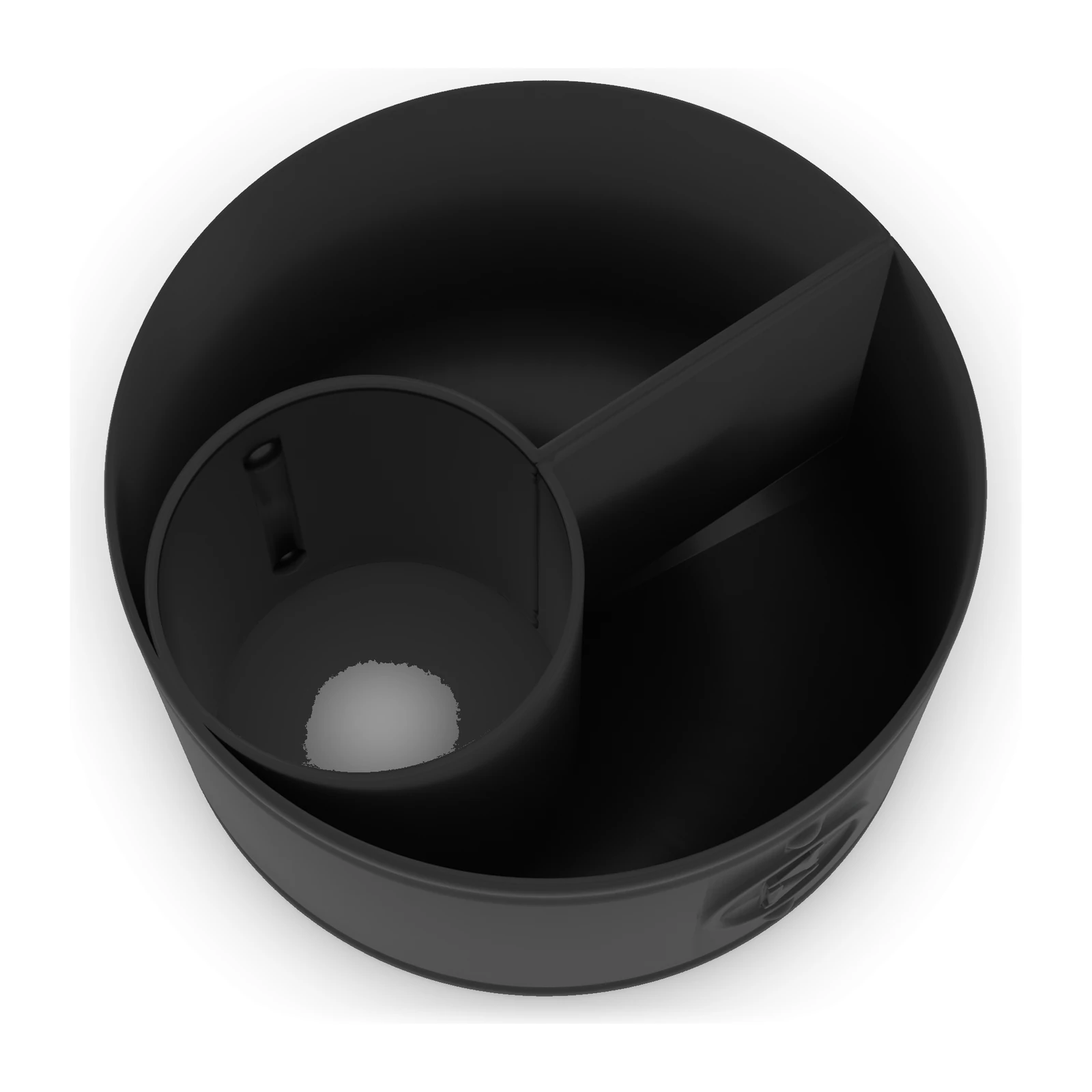
110mm to Land Drain or Downpipe Adapter, UK Made
- 50 · 60 · 80 · 100 · 110mm
From £10.45
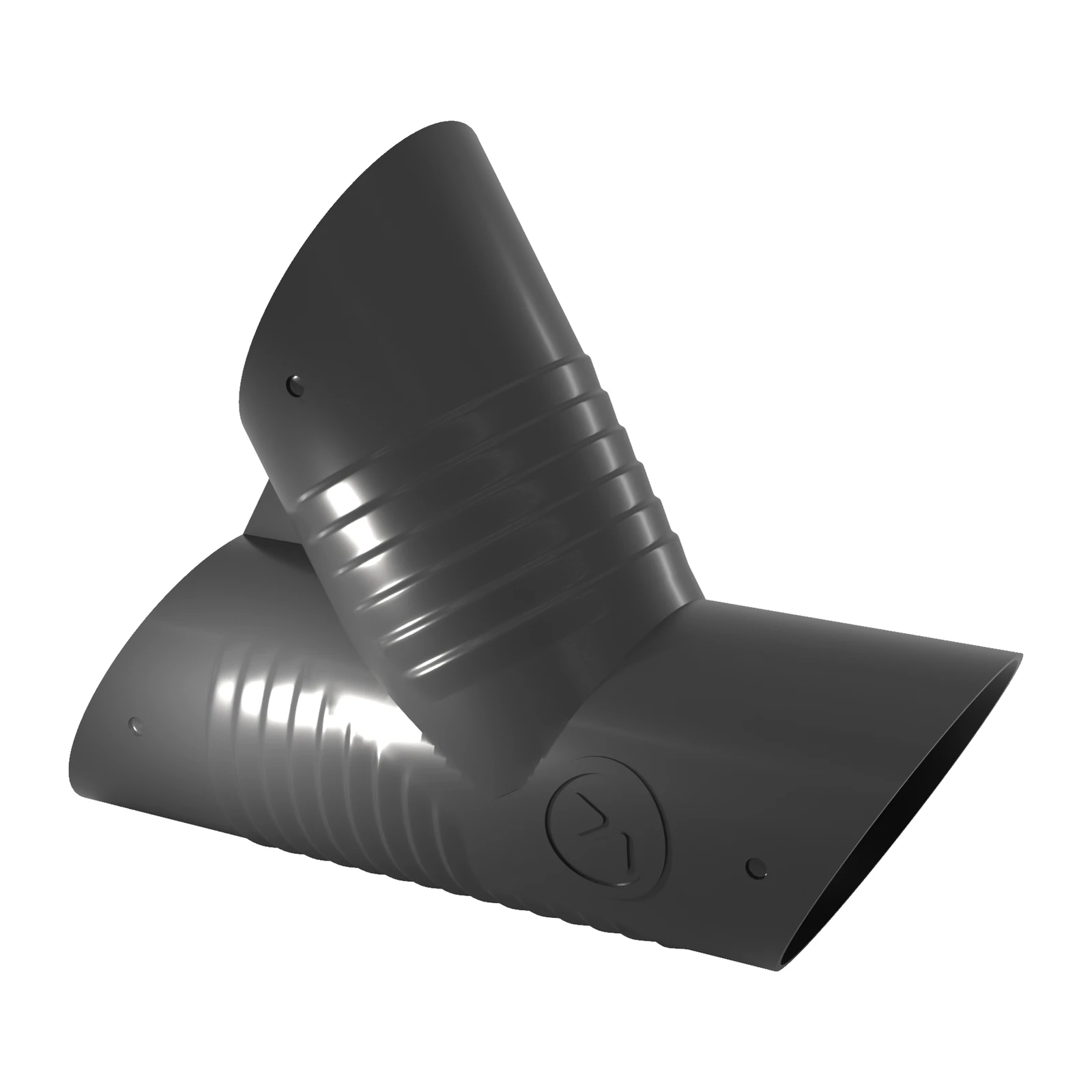
Y Junction 60, 80 and 100mm for Land Drain Pipe, UK Made
- 60 · 80 · 100mm
From £7.95
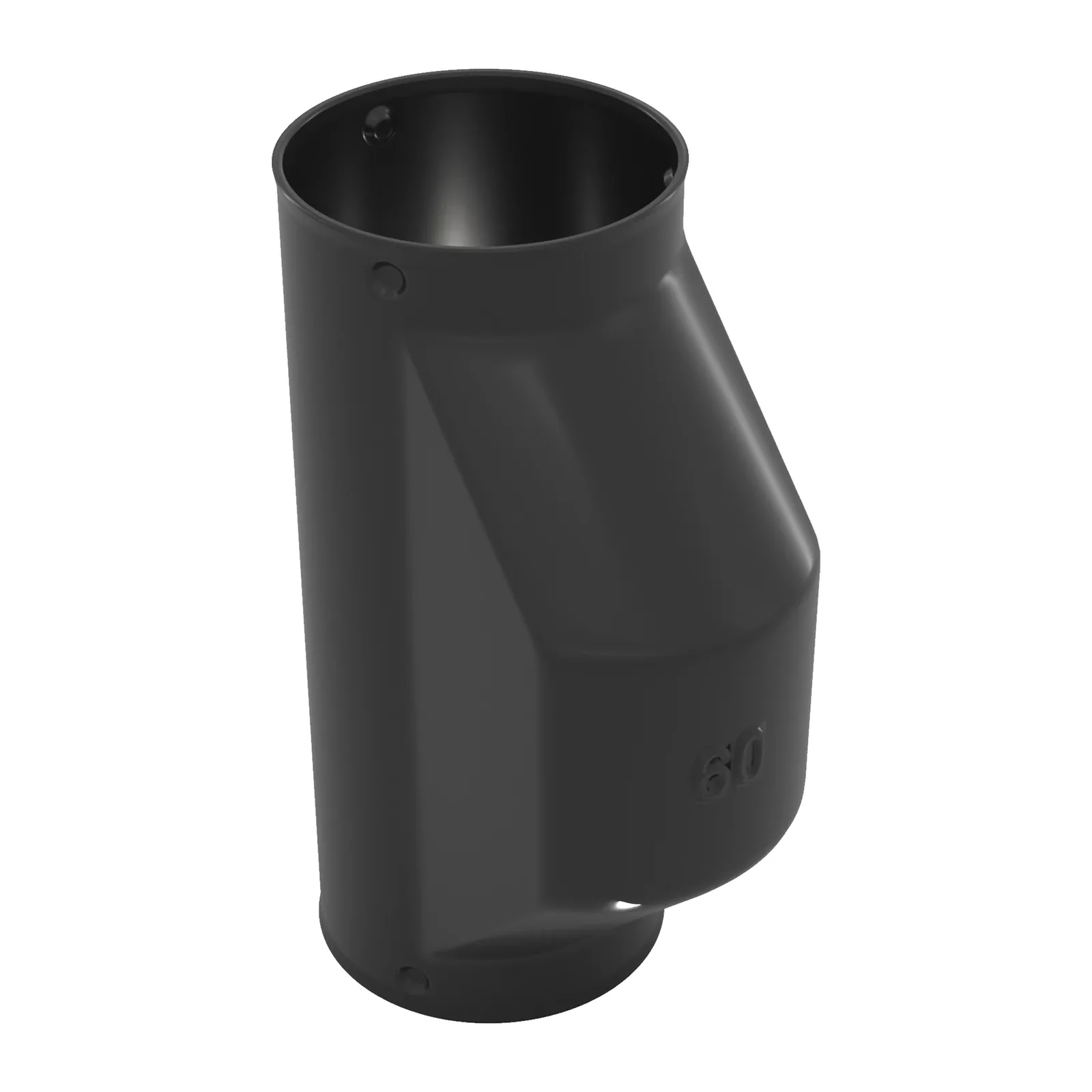
Silt Trap 60, 80 and 100mm for Land Drain Pipe, In-Line, UK Made
- 60 · 80 · 100mm
From £8.95
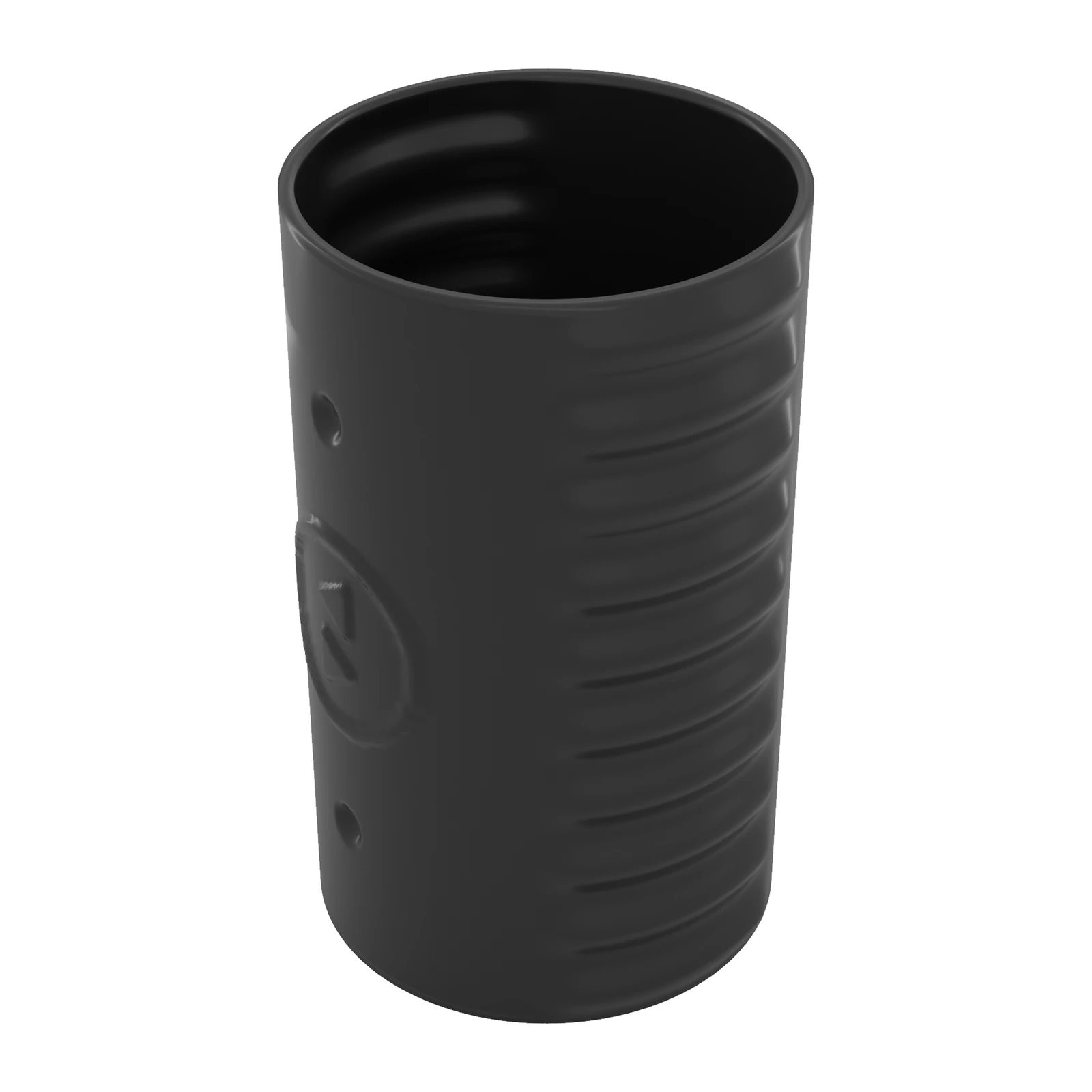
Coupling 60, 80 and 100mm for Land Drain Pipe, UK Made
- 50 · 60 · 80 · 100mm
From £5.95
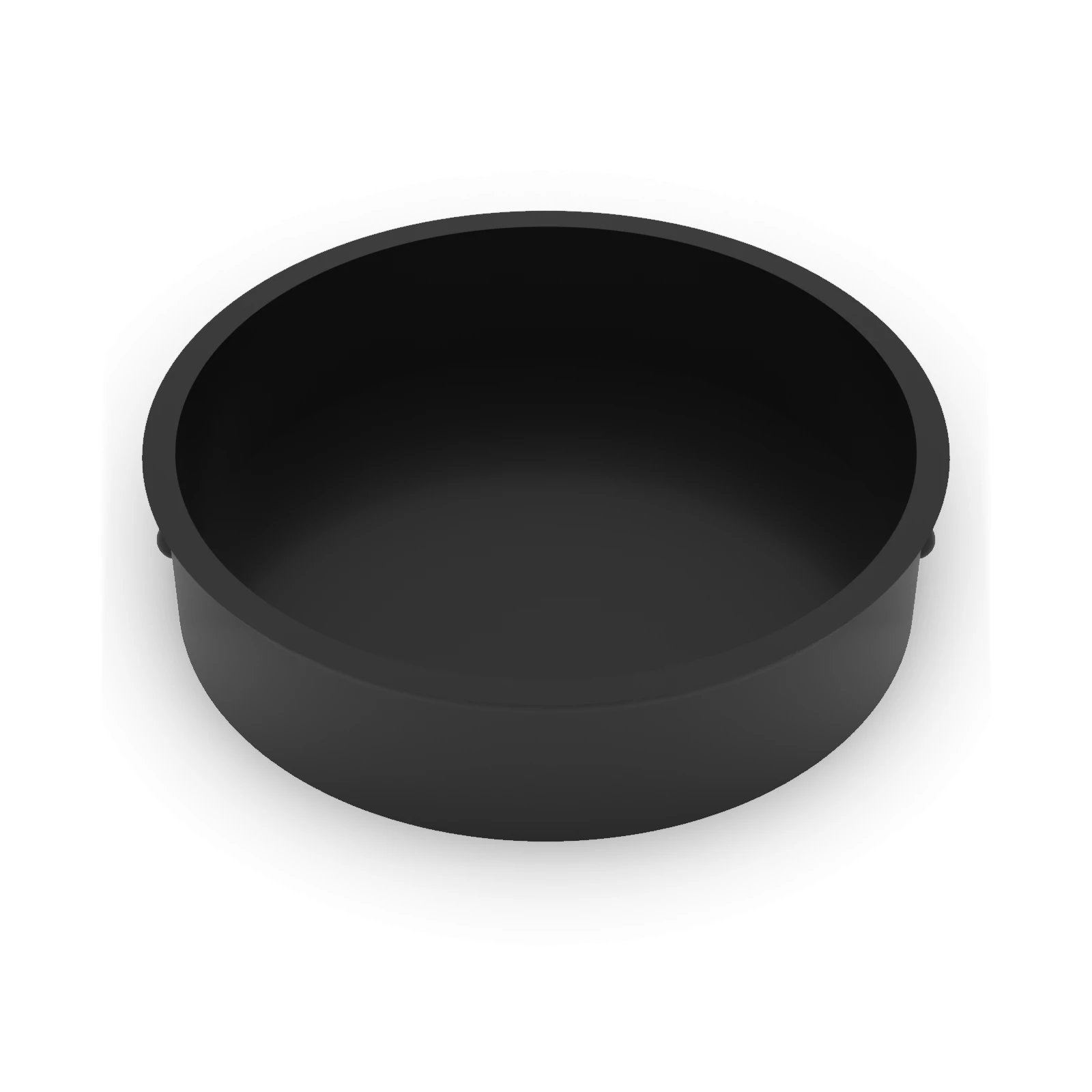
Solid Stopper Plug 50, 60, 80 and 100mm for Land Drain Pipe, UK Made
- 50 · 60 · 80 · 100mm
- Inside-pipe fit
From £2.80